Planning a family ski holiday doesn’t have to feel like you’re managing an expedition. You don’t need flow charts, mood boards, or a second mortgage to enjoy the mountains. What you do need is a calm plan that respects real life, limited time, different ages, different energy levels, and a desire to keep the whole thing fun rather than frantic. When you approach it this way, the entire trip becomes easier before you even step into your boots.

Via Pexels
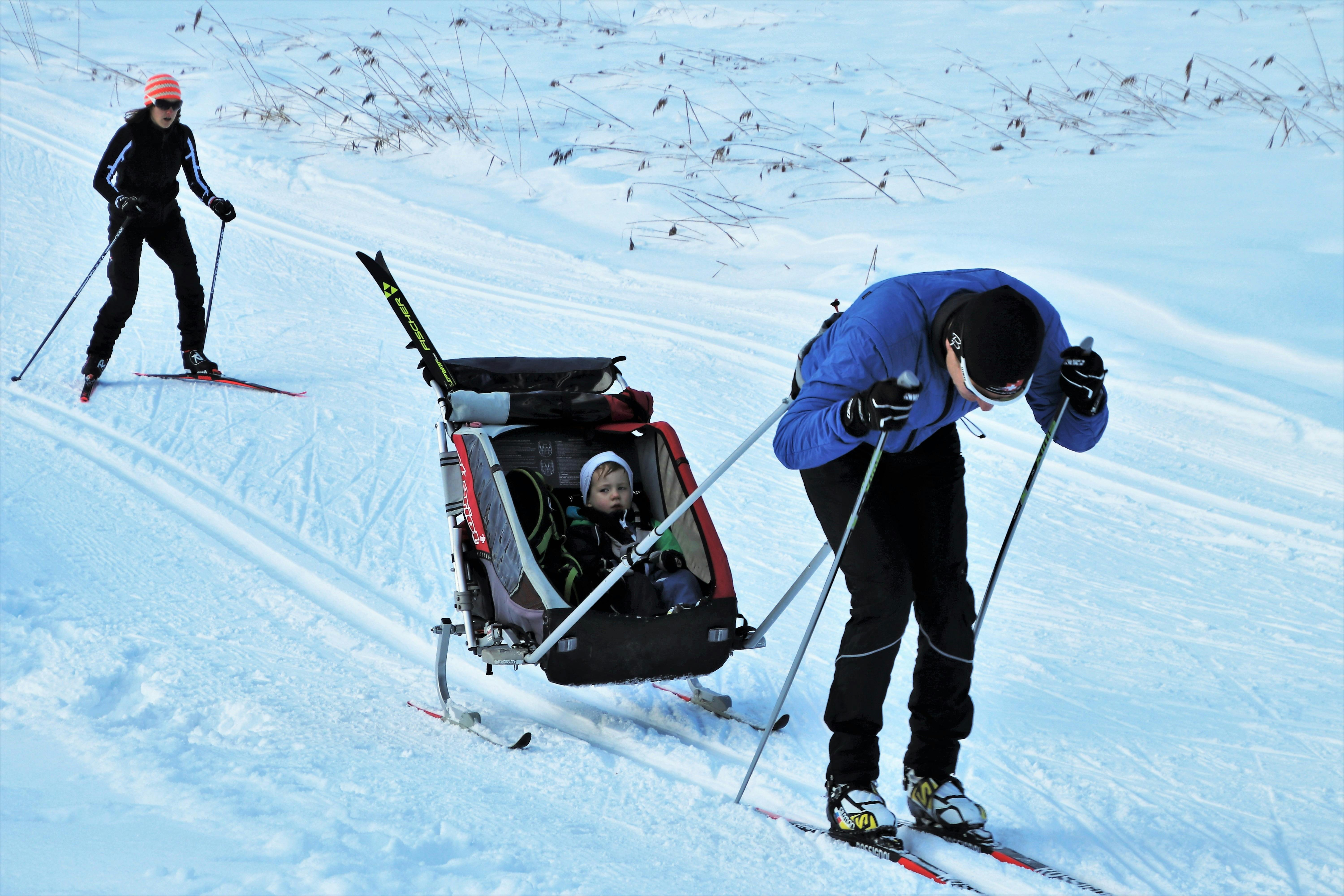
How You Choose the Right Week so Travel Stress Stays Low
Start with timing, because nothing affects your stress levels quite like picking a week that works against you. If you want quieter slopes and fewer queues, avoid peak holiday periods. Mid-January or early March often gives you the sweet spot: good snow, better prices, and calmer crowds.
Look at your family’s schedules realistically. If someone has exams, a big work deadline, or a school event in the same week, you’re setting yourselves up for tension. You’re far better off choosing a week where everyone can mentally switch off and lean into the holiday.
Also factor in travel time. A resort that seems perfect on Instagram may involve three transfers and a four-hour drive. Choose convenience over aesthetics if it saves you from starting your holiday exhausted.
What You Actually Need to Pack Versus what Just Takes up Space
A ski trip is one of those holidays where people panic-pack. Don’t. The essentials are predictable: warm layers, socks that actually stay dry, gloves that won’t disappear on day one, and outerwear that can handle snow-level chaos. You don’t need three spare outfits per child. You don’t need a full pharmacy. And you definitely don’t need bulky extras “just in case.”
If you’re planning ski lessons, check the resort’s guidance; most provide a clear list of what your kids will need on the slopes. It’s usually far simpler than you think. And remember: resorts are designed for families. If you forget something, you will be able to rent or buy it. Bringing your entire house “for safety” only makes packing, carrying and unpacking harder.
How You Set Realistic Expectations so Everyone Enjoys the Trip
This is the part families often skip, but it’s the part that shapes the actual experience. Talk through what each person wants from the holiday. Maybe one child wants to ski all day while another wants hot chocolate breaks every hour. Maybe you want one quiet morning, while your partner wants long blue runs. Nobody needs perfect alignment; you just need a plan that respects everyone’s preferences.
Set expectations early: the slopes will be busy at certain times, someone will get cold, someone will get hungry, and someone will fall over dramatically. This is normal. When you accept this upfront, you don’t treat small frustrations as disasters. You treat them as part of the mountain rhythm.
Creating Flex Days That Make the Whole Trip Smoother
One clever trick: build in a “nothing day.” No bookings, no agenda, no pressure. Use it to rest, explore the town, or simply adjust to altitude and winter air. This gives your family breathing room and takes the edge off tired legs and overtired moods.
A flexible day also protects your budget. You’re no longer forcing extra experiences simply because they were prepaid.
A family ski trip becomes easier the moment you stop planning for perfection and start planning for people.